Clinicians are trained to assess, interpret, intervene, document, and evaluate. We learn models, protocols, techniques, and scopes of practice. Yet we are less often trained in the instrument doing the intervening: the self. Therapeutic Use of Self in Trauma Therapy: Why the Clinician’s Nervous System Is the Instrument names a central clinical reality: in trauma […]

Sankofa and Afrocentric healing: a Black man stands grounded among mature trees, holding a keepsake while looking toward an open path ahead. The image represents memory, identity, dignity, and forward movement. SEO title: Sankofa and the Art of Return: How the Anchored Program Turns Remembering into HealingFocus keyword: Sankofa and Afrocentric healingURL slug: sankofa-afrocentric-healingMeta description: […]

For the seasoned Registered Nurse, social worker, or psychotherapist, the limitations of the traditional diagnostic model often become apparent in the quiet moments of a session. You have the DSM-5 criteria, the ICD-11 codes, and the symptom checklists, yet there remains a gap between a "diagnosis" and the actual, moment-to-moment experience of the human being […]
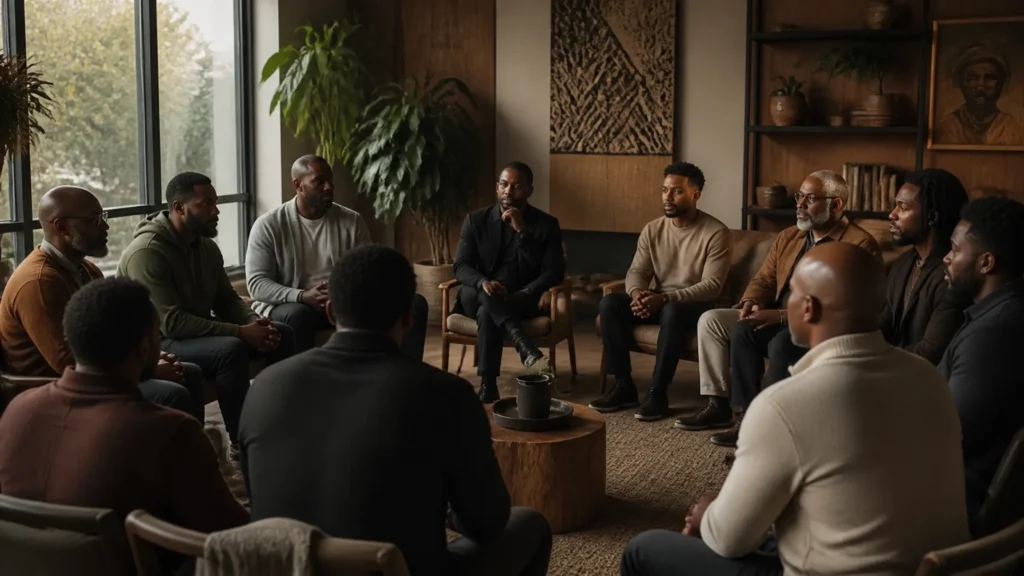
An Ubuntu-informed healing circle for Black men and community leaders, grounded in dignity, relationship, and collective possibility. A different question for Black community healing Ubuntu and Afrocentric Healing: How the Anchored Program Restores Community Wholeness is not simply a discussion about culture and mental health. It is a question about what becomes possible when Black […]

For the regulated health professional working within the Black community, the intersection of clinical excellence and cultural reclamation is not merely a preference: it is a therapeutic necessity. When we explore how to integrate Afrocentric healing with modern somatic practices, we are navigating a landscape that requires us to move beyond Western-centric, individualistic models of […]

As a clinician, you’ve likely seen the “talk therapy plateau.” A client understands their trauma intellectually, can name their triggers, and possesses a robust vocabulary for their pain: yet, when they walk out into the world, their body still reacts as if the threat is present. This gap exists because Vagus Nerve Tone Matters: Why […]

In the current landscape of Canadian healthcare, the demand for resilient, trauma-informed leadership has never been more acute. As organizations navigate the complexities of post-pandemic recovery and systemic restructuring, the question of how to integrate Psychological Health and Safety Leadership with your healthcare systems has moved from a peripheral HR concern to a core clinical […]

As a clinician, you’ve likely experienced that specific, heavy silence in the room: the moment a client pulls back just as you’ve reached a breakthrough in rapport. It’s the client who misses three appointments after a particularly vulnerable session, or the one who meets your empathy with a sharp, defensive barb. For many regulated health […]
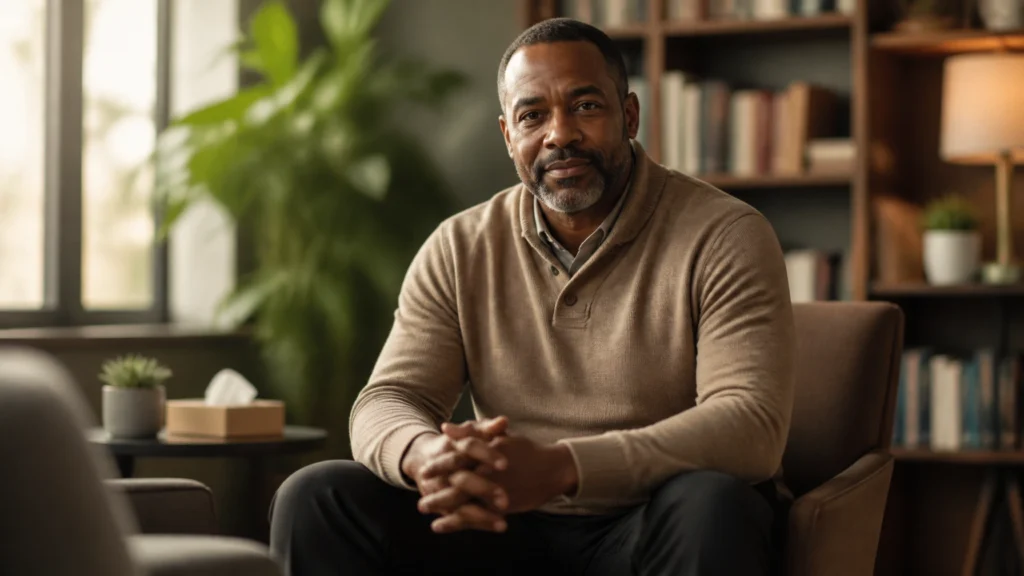
For many Black men, the world has long demanded a specific kind of performance: the "Strong Black Man." This archetype, while born out of a necessary survival adaptation to systemic pressures and historical trauma, often demands the sacrifice of one’s internal world. We are taught that to be safe is to be unreadable; to be […]