

Choose Your Path

3-Day Becoming Method® Intensive Training

🕒 3 Days

Live | In-Person Delivery

Anyone Interested in Psychotherapy

Apply Now

RN-Psychotherapist Program

🕒 6–8 Months

On-line + Live 3-Day Intensive

For Registered Nurses including NPs, CNSs & PSWs

Apply Now

Trauma Recovery Certificate Program

🕒 12 Months

On-line + Live 3-Day Intensive

For Nurses & Allied Health Professionals

Apply Now

BEC111 — Foundations of the Becoming Method® | Becoming Institute
Next Cohort · September 11, 2026
BEC111 · Trauma-Informed Psychotherapy Training

38.5 Hours. One Method. Purpose-built for Social Workers, Psychotherapists, Counsellors & Nurses

The Becoming Method® resolves trauma at the root in 3 to 7 sessions — a guarantee you can make to every client, from day one.

CNA-Accredited · Trusted by 80 clinicians across Canada · OAMHP/CCPA Approval pending

Anecdotal evidence suggests that suicidal ideation may shift within a single session. Depression often lifts within three. Symptoms such as anxiety, PTSD, and chronic emotional reactivity frequently resolve within seven to eight sessions.

Based on anecdotal clinical observation, not a controlled outcome study. Individual results vary.

BEC111 · 7 Sessions · 38.5 Contact Hours

Foundations of the Becoming Method®: The Phase-Based Structure That Makes Resolution in 3 to 7 Sessions Possible

This isn’t a one-day technique workshop. In BEC111, you work through the Becoming Method® as a living clinical process — session by session — building the self-awareness, emotional regulation, and clinical judgment it takes to apply it with confidence. You start using it with clients before the course is even finished. Early clinical observations suggest significant symptom resolution within three to seven sessions across depression, PTSD, and chronic emotional reactivity.

Evidence-Based

Grounded in 20+ Years of Clinical Observation

Built on over two decades of clinical practice across nursing, psychotherapy, and community health — and integrating the convergent insights of van der Kolk, Levine, Porges, Siegel, and Schwartz — not adapted from theory alone.

Reproducible

A Nine-Step Process You Can Learn, Practise, and Evaluate

Each 90-minute session follows a defined cyclical structure — from intention-setting and consciousness mapping through conscious forgiveness and reconciliation. Not a loose framework you have to assemble yourself.

Peer-Supported

Cohort-Based, Case-Consultation Built In

Delivered in a capped cohort model with case consultation on your own client work built into every Zoom session — so you’re never applying a new method alone.

This Training Was Built For You If…

Who BEC111 Is For

Most trauma training is designed around what happened — the event, the history, the diagnosis. BEC111 starts somewhere different. Trauma, in the Becoming Method®, is the holistic overwhelm of the nervous system brought on by perception — not by the size of the event. This is the shift Polyvagal Theory opened: from what happened to you to what happened inside you. Which means every client you see — not just the ones labelled — is a candidate for this work. BEC111 is for any regulated health professional ready to work from that understanding.

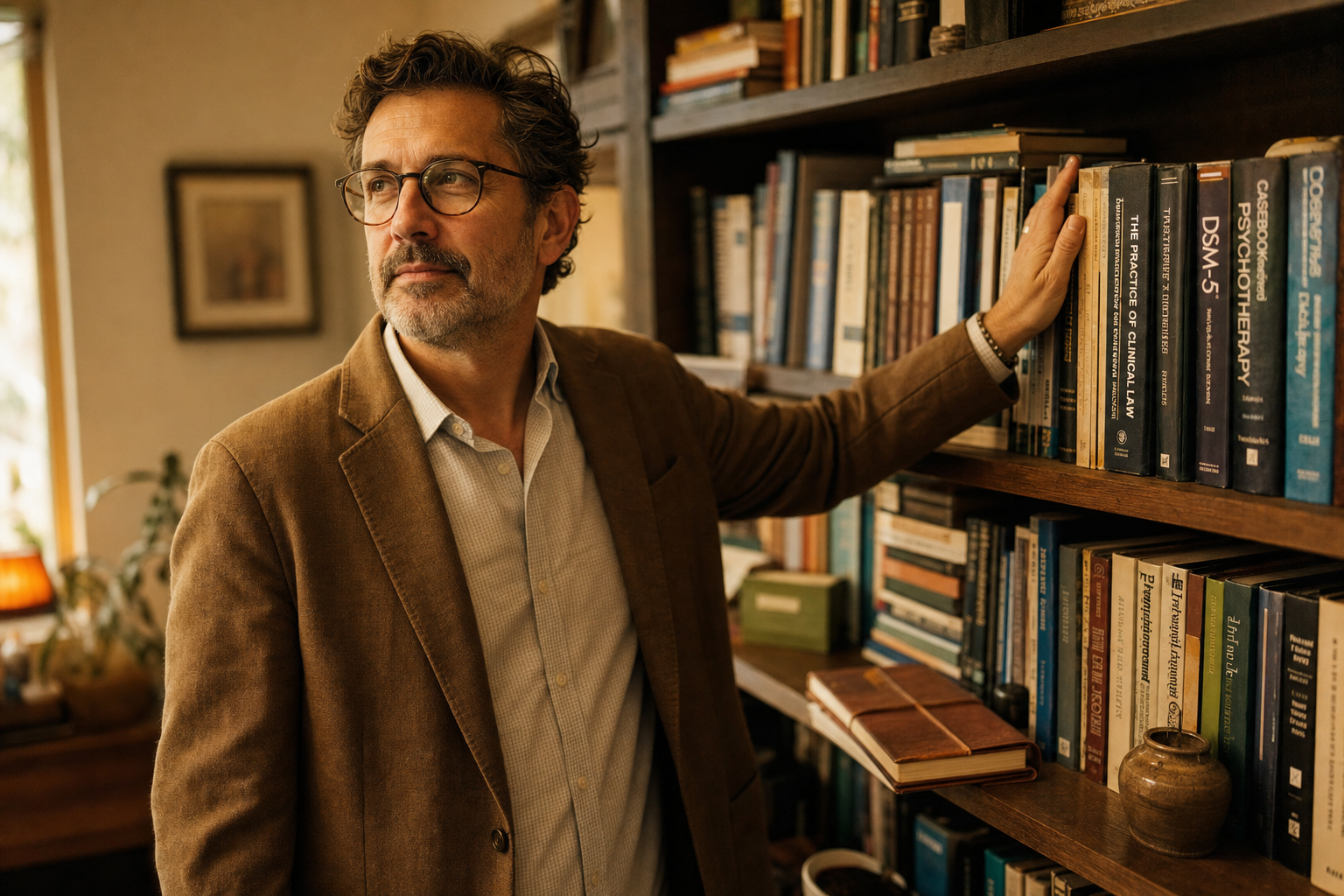
  • A social worker reviewing a case file at her desk in a warmly lit office.
    Registered Social Workers & MSW-Level CliniciansYou carry caseloads where child welfare, housing instability, immigration stress, racialized violence, and intergenerational loss all sit in the room at once. This course trains you in the Becoming Method® — a trauma-informed psychotherapeutic process that allows you to track nervous-system overwhelm across the individual, family, and community systems in a single coherent clinical picture — not three separate frameworks.
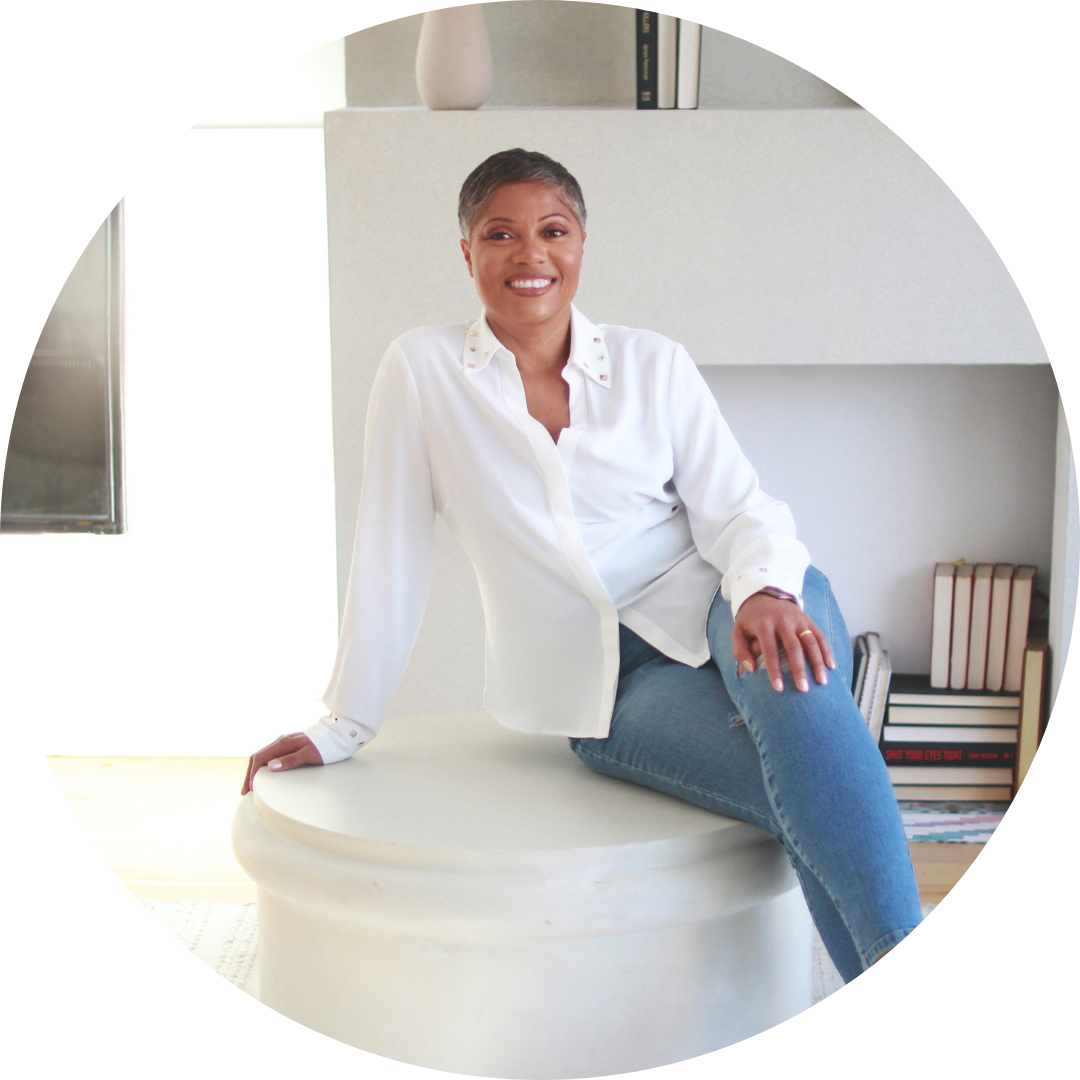
  • A psychotherapist listening attentively during a counselling session.
    Registered Psychotherapists & CounsellorsYour clients show up with chronic anxiety, depression, and relationship distress that actually look like repeated hyper- and hypoarousal cycles in session. BEC111 gives you a nervous-system–first trauma lens and a stepwise process that zooms in on identity disruption and its associated dysregulation as the primary point of clinical intervention, regardless of what the traumatic response looks like.
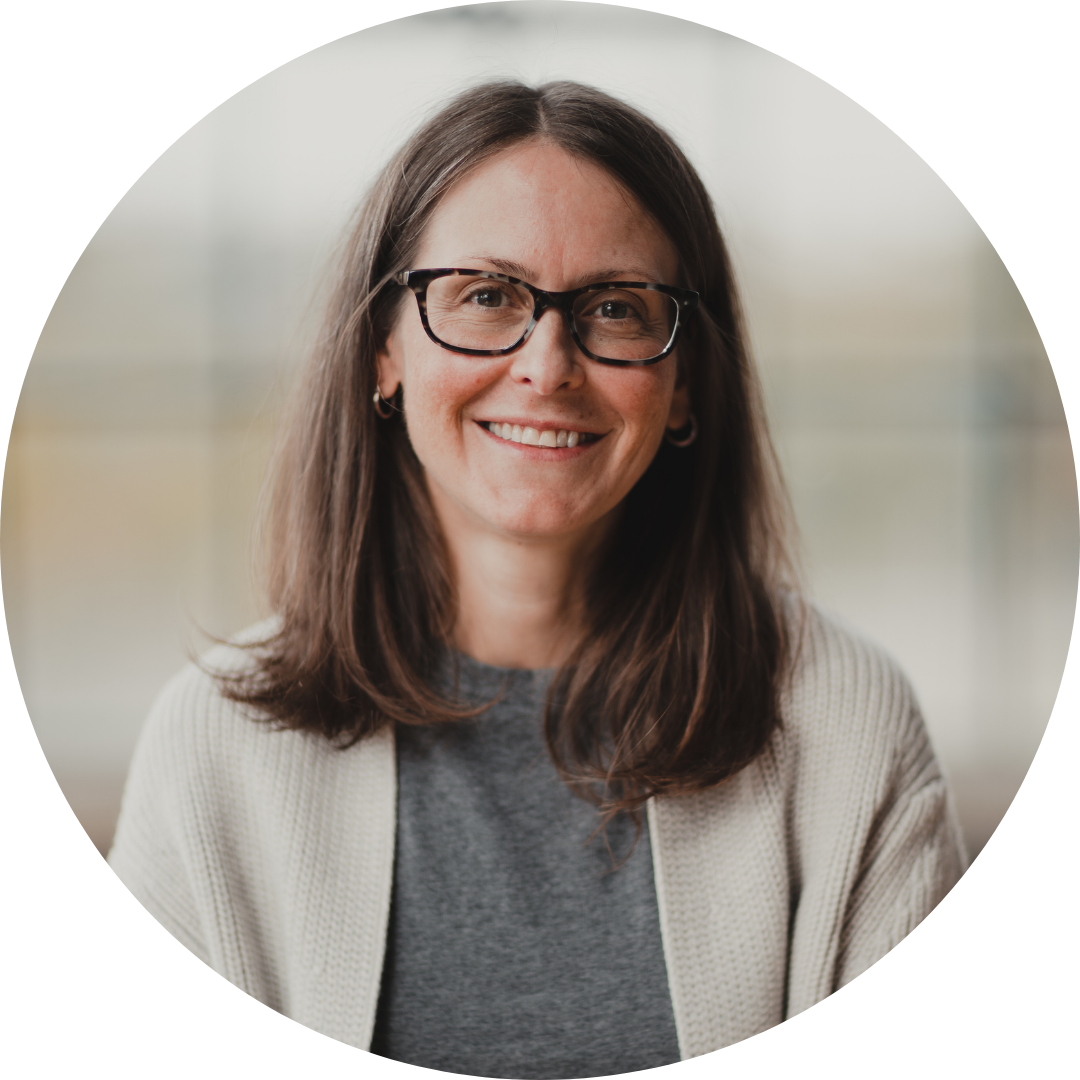
  • A nurse reviewing a patient chart on a tablet in a hospital corridor.
    RNs, NPs, RPNs, CNS & PHNsYou watch the autonomic nervous system shift in real time — heart rate spikes, shutdown, dissociation — in emergency, inpatient, community, and home-care visits. This training translates Polyvagal-informed language and the Becoming Method® into practical assessment and intervention steps for front-line nursing, so trauma work is no longer something that only happens “once they get to psychotherapy.”
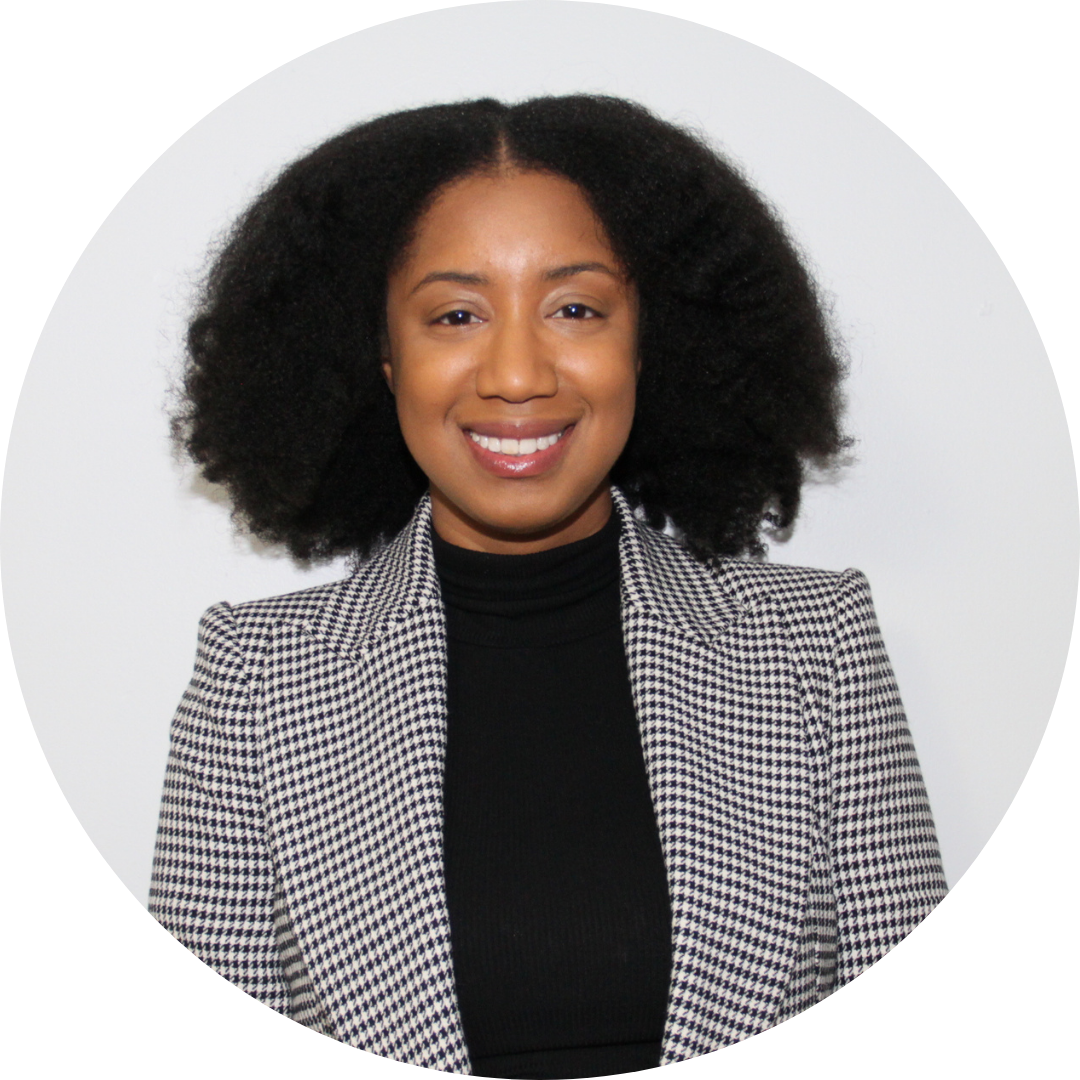
  • An experienced clinician with a stethoscope writing reflectively in a journal at her desk.
    Practitioners With Prior Trauma TrainingYou’ve done EMDR, IFS, SE, Narrative, or Brainspotting. BEC111 doesn’t replace those tools — it gives you the overarching framework that explains why they work and how to sequence them inside a coherent, nervous-system–based trauma process.

Not right for you if: you have no prior clinical training or professional registration. BEC111 is a CE course for practicing professionals. It is not an introductory program and is not designed for personal healing work.

See Yourself Here?

Bring the Becoming Method® Into Your Own Caseload

Join the clinicians already using this process with real clients — before the September cohort fills.

What You’ll Experience

Seven Sessions. Four Months. One Clinical Process.

BEC111 is delivered in two phases: a 3-day in-person intensive at the Becoming Institute’s Brampton location, followed by four monthly half-day sessions via Zoom. Together, they total 38.5 contact hours.

Phase 01

3-Day Intensive (22.5 hrs)

In person · 80 Devon Road, Unit 2, Brampton, ON

Phase 02

Four Monthly Half-Days (16 hrs)

Via Zoom, hosted through our secure Brightspace platform

The 3-Day Intensive

Day 1 · Sept 11, 2026

Safety, Assessment, and Establishing Partnership

Orientation to the Becoming Method®’s nine-step process. Introduction to the Smashing the Mirror™ trauma framework and the Levels of Consciousness (readiness) assessment.

Day 2 · Sept 12, 2026

The Trauma Triangle and Structured Forgiveness

How to identify and work with the Trauma Triangle through structured truth-telling, and how to facilitate the conscious forgiveness process without pressuring the client.

Day 3 · Sept 13, 2026

Reconciliation and Closing the Arc

How reconciliation functions as a measurable clinical outcome, how to help clients reach peace consciousness, and how to close a therapeutic arc.

Four Monthly Zoom Sessions

Month 1 · Oct 9, 2026

Clinical Movements 1–2

Establishing partnership and safety in real cases from your own practice.

Month 2 · Nov 13, 2026

Clinical Movements 3–4

Truth-telling and intervening at the moment of rupture.

Month 3 · Dec 11, 2026

Clinical Movements 5–6

Somatic awareness and IFS-informed reconciliation work.

Month 4 · Jan 8, 2027

Clinical Movements 7–9

Integration, case consultation, and opening the next chapter of practice.

Each Zoom session combines live instruction, guided practice, case consultation on your own clinical work — including how each case connects to family, cultural, or community context — and review of your monthly self-evaluation submission.

What You’ll Be Able to Do

By the End of BEC111, You Will Be Able to:

  • Describe the Becoming Method®’s nine-step clinical process and how theory, hands-on practice, and clinical accountability fit together in a session.
  • Identify how truth-telling, forgiveness, and reconciliation function as staged, sequenced steps in the therapeutic process, not abstract concepts.
  • Apply mindfulness, somatic awareness, and forgiveness-based techniques to regulate client and practitioner nervous system responses during sessions.
  • Recognize nervous-system and polyvagal responses in clients and use that information to guide in-session clinical decisions.
  • Analyze how systemic oppression, cultural context, and community relationships shape a client’s trauma presentation and recovery trajectory.
  • Locate an individual client’s healing process within their family, cultural, and community context, and identify at least one practical way to work with that context in session.
  • Demonstrate safe, effective use of self — including boundary-setting, ethical use of influence, and relational attunement — transferable across nursing, psychotherapy, counselling, social work, and occupational therapy practice.
The Becoming Method® Practitioner Manual open on a scholarly desk in warm institutional light.
From The Becoming Method® Practitioner Manual Becoming Institute Inc., 2026 · ISBN 978-1-7274-5247-1
Our Proprietary Psychotherapeutic Method

The Becoming Method® — trauma recovery through truth, forgiveness, and reconciliation.

BEC111 is the foundational course in the Becoming Method® — twenty years of clinical inquiry distilled into a teachable, supervisable, regulator-aligned methodology. The Method integrates the convergent insights of Diamond, Hawkins, Blakely, van der Kolk, Levine, and Porges into a coherent, phase-based approach to trauma recovery, delivered here as a nine-step clinical process you practise and are evaluated on.

I.

Truth

Disciplined witnessing of what happened, what was lost, and what was adapted to in order to survive.

II.

Forgiveness

Release of inherited contracts, ancestral burdens, and self-judgements that block coherence, agency, and authenticity.

III.

Reconciliation

Reintegration of self, relationship, and community — a return to connection across personal, familial, and systemic fields.

“Psychological safety is not the absence of difficulty. It is the disciplined, regulated, ethically grounded presence within which lasting recovery becomes possible.”
Dr. Joan Samuels-Dennis, RN, PhD · Founder, Becoming Institute Inc.

The Becoming Method® is a registered mark of Becoming Institute Inc. Unauthorized use is strictly prohibited.

Your Instructors

Meet Your Faculty

Dr. Joan Samuels-Dennis
Lead Instructor

Dr. Joan Samuels-Dennis

Ph.D. (Nursing), RN-Psychotherapist

Dr. Joan Samuels-Dennis, Ph.D., RN-Psychotherapist, is a Canadian nurse, psychotherapist, and educator with more than 25 years of clinical, community, and public health practice, much of it with populations affected by structural violence, displacement, and intergenerational trauma. That work is the direct source of the Becoming Method®’s community and cultural-context focus — it wasn’t added as theory, it came out of practice. She is also the principal architect of the Advanced Practice RN-Psychotherapist Standards & Competencies, a framework defining nursing psychotherapy as an advanced clinical role in Canada.

As Founder and President of Becoming Institute Inc., she trains nurses and allied professionals to work as Trauma Recovery Specialists and RN-Psychotherapists across health systems and communities.

Credentials
  • Ph.D. (Nursing), RN-Psychotherapist
  • 25+ years of clinical and community practice, including work with populations affected by structural violence and displacement
  • Principal architect, Advanced Practice RN-Psychotherapist Standards & Competencies
  • Author, The Becoming Method®: A Nurse-Psychotherapist’s Guide to Trauma Recovery through Truth, Forgiveness, and Reconciliation
  • Founder and President, Becoming Institute Inc.
Jenn Cardoso
Co-Lead

Jenn Cardoso

M.A. · RP

Jenn Cardoso is a Registered Psychotherapist and somatic practitioner whose work centers on embodiment, relational awareness, and trauma-responsive healing. Her teaching is grounded in the understanding that the body holds essential knowledge — and that learning must attend to both physiological and relational experience.

With training in counselling psychology, somatic approaches, and trauma-informed movement, Jenn supports practitioners in developing presence, attunement, and nervous-system literacy. Her work emphasizes how safety, connection, and meaning are cultivated through embodied practice rather than technique alone.

Chantal Gray
Teaching Assistant

Chantal Gray

MSW · RSW

Chantal Gray is a Registered Social Worker and clinical leader whose work centers on trauma-informed, culturally responsive care across the lifespan. She brings extensive experience supporting children, families, and communities through intergenerational trauma, life transitions, and systemic stressors.

As Co-Founder and Clinical Director of Winrose Oasis Counselling Services, Chantal has led the development of holistic, community-anchored clinical programs grounded in safety, cultural humility, and relational care. Her practice integrates evidence-based approaches — including trauma counselling, play-based interventions, and EMDR — within a framework that honours family systems and cultural context.

Frequently Asked Questions

Questions Practitioners Ask Before Registering

Is This for Me?
I work with a general caseload, not a specialized trauma clinic. Is this still relevant?

Yes — and it’s actually designed for that. The Becoming Method® is built on the premise that trauma is a nervous-system response to perceived overwhelm, not a diagnosis. Chronic anxiety, depression, relationship conflict, identity struggles, and burnout are all presentations of dysregulation. If your clients carry any of those — and they do — this course is directly applicable to your existing caseload, starting week one.

I’ve completed EMDR / IFS / SE / Narrative training. Will this repeat what I already know?

No. BEC111 doesn’t replace those modalities — it gives them a coherent sequence to sit inside. Many graduates say it’s the first training that helped them understand why their existing tools work and when to use which one. You’ll leave with a framework that integrates what you already do, not a replacement for it.

Is this course appropriate for my scope of practice?

BEC111 is designed for regulated health professionals across nursing, psychotherapy, social work, counselling, and allied health — not one discipline. The seven learning outcomes are mapped to competencies recognized across the CNA, CRPO, OCSWSSW, and CCPA frameworks. The course teaches the Becoming Method® as a clinical process you apply within whatever scope you already practice in.

Is This Clinically Legitimate?
How is the Becoming Method® different from other trauma frameworks?

Most trauma frameworks address one domain — cognitive, somatic, or relational. The Becoming Method® is a phase-based, nine-step process that moves through truth-telling, conscious forgiveness, and reconciliation as sequential, teachable, and evaluable clinical stages. It integrates the convergent insights of van der Kolk, Levine, Porges, Siegel, and Schwartz — and adds a decolonized, community-level lens that most single-modality trainings don’t include.

Does this course actually address anti-oppressive and decolonizing practice, or is that just marketing language?

It’s built into the curriculum, not appended to it. Days 1, 2 and 3 of the intensive specifically cover how systemic oppression, cultural context, and intergenerational trauma shape a client’s nervous-system presentation — and how to work with that context directly in session, as part of the clinical process rather than as a separate diversity module.

The course mentions body, mind, identity, and spirit — does that fit within my clinical scope?

Yes. All four dimensions map to established constructs in trauma-informed and psychotherapy literature: somatic/nervous-system regulation, cognitive and narrative processing, self-concept and identity, and sense of purpose or connection to community. Each has a specific, teachable clinical technique. You decide how much weight to give each dimension with any given client, exactly as you would with any clinical framework.

Logistics and Registration
What exactly are the CE hours and how are they documented?

BEC111 provides 38.5 contact hours recognized under the CNA continuing education framework. You receive a certificate of completion with learning objectives, contact hours, and documented competency areas. OAMHP and CCPA pre-accreditation has been submitted — check with your specific regulatory body for self-reporting requirements.

What if I miss one of the live Zoom sessions?

Sessions are recorded and accessible through Brightspace. Live attendance is strongly encouraged — case consultation is built into real-time group discussion and cannot be fully replicated asynchronously. If you miss a session, a written clinical reflection submission is required in its place.

How many clinicians are in each cohort?

BEC111 is capped at 15 participants. The small cohort size is intentional — case consultation on your own client work is built into every Zoom session, which requires the kind of trust and depth that only a contained group can hold.

What is the refund and cancellation policy?

Full refunds are available up to 14 days before the start of your cohort’s 3-day intensive. After that point, you can receive a credit toward a future offering of BEC111. No refunds are issued within 7 days of the intensive start date or after the cohort has begun.

Is there a prerequisite course?

BEC111 has no prerequisite for standalone CE participants. It is also the required foundational course within the Becoming Institute’s 12-month RN-Psychotherapist Credentialing Program — participants on that pathway must complete BEC101 first.

I’m still deciding. What should I do?

Book a 15-minute call with an Academic Advisor. We’ll answer your specific questions, walk you through what a typical session looks like, and help you figure out whether BEC111 fits your practice and your schedule — no pressure, no pitch.

Nationally Accredited

Professionally Recognized Continuing Education

BEC111 is recognized under the Canadian Nurses Association (CNA) continuing education framework and provides 38.5 documented contact hours. It has also been submitted for pre-accreditation with the Ontario Association of Mental Health Professionals (OAMHP) and the Canadian Counselling and Psychotherapy Association (CCPA). Participants who complete all course requirements receive a CE certificate they can self-report toward continuing competency requirements with multiple regulatory bodies.

CNA

Canadian Nurses Association

RNs, NPs, RPNs, CNSs, PHNs, PMHNs · 38.5 hours recognized under the CNA continuing education framework.

OAMHP

Ontario Association of Mental Health Professionals

Psychotherapists, counsellors, social workers, psychologists · 38.5 hours submitted for pre-accreditation (self-reported CE usable once approved).

CCPA

Canadian Counselling & Psychotherapy Association

Counsellors and psychotherapists, national · 38.5 hours submitted for pre-accreditation (pending). Participants receive full documentation to self-report CE in the interim.

Note for Registered Social Workers: The Ontario College of Social Workers and Social Service Workers (OCSWSSW) does not pre-approve individual courses — social workers self-report their own continuing education hours. BEC111’s documented learning objectives, contact hours, and OAMHP pre-accreditation give you everything you need to self-report this course toward your continuing competence requirements.

If your college or association is not listed above, you can still self-report BEC111 using the detailed learning outcomes and contact-hour documentation provided with your certificate.

Certificates of completion are issued by Becoming Institute Inc. upon successful fulfillment of all course requirements.

Nationally Accredited · 15 Seats

Documented CE Hours. One Cohort This Year.

38.5 accredited contact hours and a certificate of completion — with only 15 seats per cohort, secure yours for September.

What Makes This Different

This Isn’t Another Trauma Certificate. It’s a Complete Clinical Process.

There’s no shortage of trauma trainings. What’s harder to find is a course that gives you a full, sequenced process — one that accounts for culture and community, nervous-system state, and identity, not just one more technique added to your toolkit.

Many Trauma CE Trainings

One modality. One weekend.

  • FocusTeach a single technique or modality (e.g., EMDR, IFS, SE) without an overarching clinical framework.
  • Client viewFrames trauma in terms of symptoms and events, often treating the client in isolation from family, cultural, and community systems.
  • ContactOne or two days of contact; limited time to practise, be observed, or receive feedback on your own cases.
  • FormatPrimarily lecture-based with demonstrations; case discussion is brief and often hypothetical rather than grounded in your day-to-day work.
  • ResultCredit hours and a new tool — but no structured method for deciding when and how to use it with real clients.
BEC111 — Foundations of the Becoming Method®

A full process, applied to your own cases.

  • FocusTeaches a full nine-step trauma process — from establishing safety and intention through truth-telling, conscious forgiveness, and reconciliation — as a repeatable clinical method.
  • Client viewLocates each client’s healing journey within their family, cultural, and community context, while tracking nervous-system overwhelm and identity disruption as the primary clinical focus.
  • ContactThree-day in-person intensive plus four months of guided follow-up: live Zoom sessions, case consultation on your own clients, and structured self-evaluation.
  • FormatLive instruction, role-play, small-group practice, and supervised application of the Becoming Method® to real cases — not just theory.
  • Result38.5 CE hours and a complete clinical process you can use in your next session, with a framework for integrating the modalities you already know.
The Practical Section

Everything You Need to Know Before You Register

$1,950 CAD
Full program fee, paid in full at registration
$1,755 CAD
Early-bird rate — 10% off, register 60+ days before cohort start
  • Cohort SizeLimited to 15 participants
  • Format3-day in-person intensive + 4 monthly half-day Zoom sessions
  • Location (Intensive)80 Devon Road, Unit 2, Brampton, ON, L6P 5B3
  • Zoom SessionsDelivered via secure Brightspace-hosted Zoom platform
  • CE Hours38.5 hours total (22.5 in-person + 16 Zoom)
  • CertificateIssued on successful completion of all requirements
  • 3-Day IntensiveSeptember 11–13, 2026 · In person, Brampton, ON
  • Zoom Session DatesOctober 9 · November 13 · December 11, 2026 · January 8, 2027
Next Steps

Your Clients Have Been Waiting Long Enough. So Have You.

This work isn’t easy. It asks a lot of you — your time, your patience, your willingness to keep going when a case doesn’t respond to standard technique, and your willingness to see each client inside their full context. BEC111 gives you a process, a peer group, and a structured way to keep sharpening your practice over time.

The next cohort is forming now · 15 seats · September 11–13, 2026

Questions? Email info@becominginstitute.ca or call (647) 265-0804