
3-Day Becoming Method® Intensive Training
RN-Psychotherapist Program
🕒 6–8 Months
On-line + Live 3-Day Intensive
For Registered Nurses including NPs, CNSs & PSWs
Apply NowTrauma Recovery Certificate Program

🕒 6–8 Months
On-line + Live 3-Day Intensive
For Registered Nurses including NPs, CNSs & PSWs
Apply Now
A framework for Nurse Psychotherapist practice that takes the question of public safety further than it has been taken before — into the body, into the collective, into history, and into the structures of power that shape who heals and who is harmed.
Ubuntu names six ways Western psychotherapeutic assessment mis-sees the person. This standard is built to answer each one.
Click each tab to see what makes this standard differentUmuntu ngumuntu ngabantu — I am because we are.
Western psychotherapy reads the individual as the primary unit: bounded, interior, asked “what is wrong with this person?” Ubuntu begins elsewhere. Personhood is a node in a living web of relationships, where “altering the individual alters the whole.” To assess a person alone is to assess an artefact of methodology — not a human being.
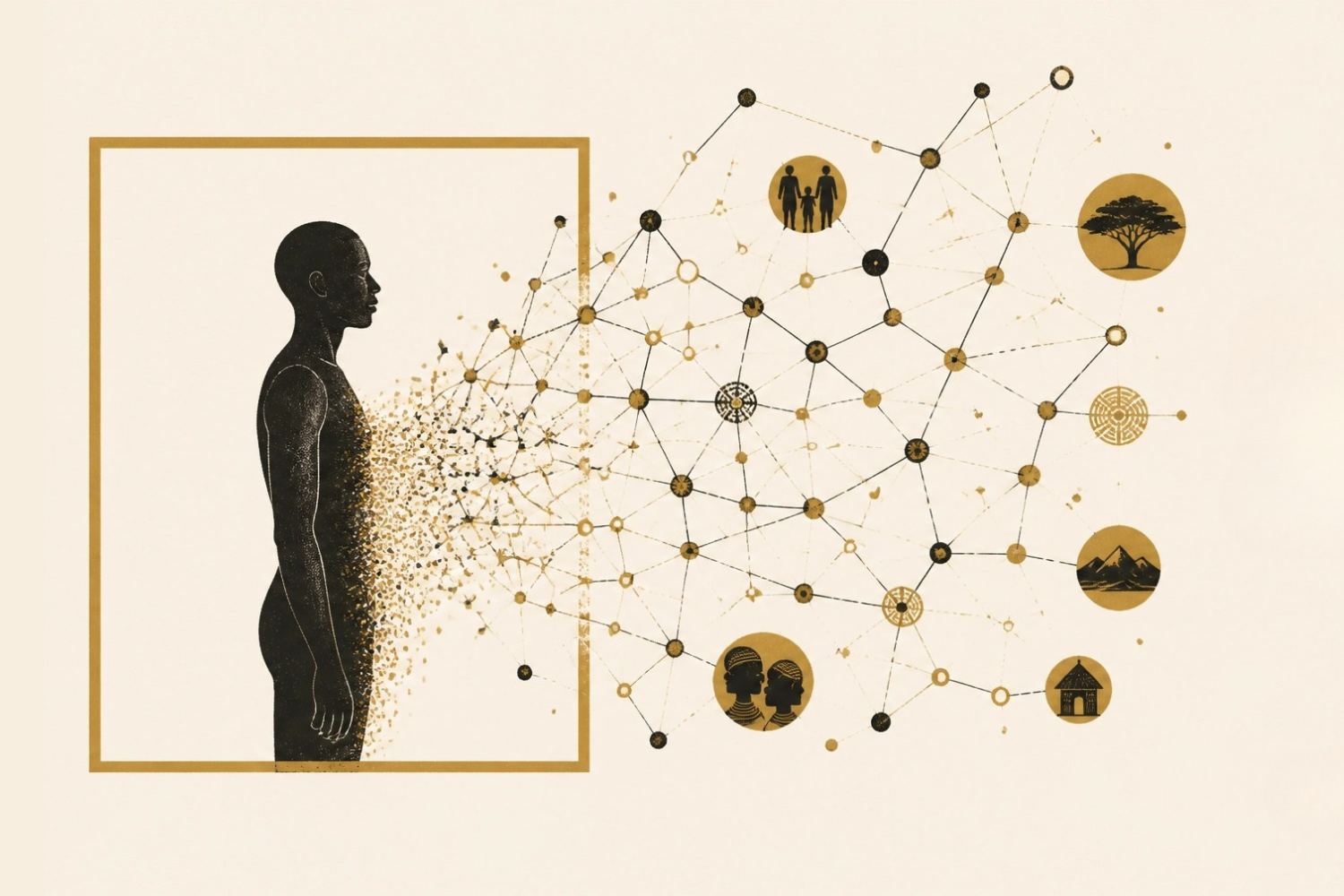
The Standard names “I am because we are” as a clinical reality, not a cultural metaphor. Personhood is treated as a relational process — the self coming to know itself through others, never abstracted from family, community, history, or the structural forces that shape a life.
Every competency that follows flows from this re-location. The practitioner is formed to situate distress in relational, communal, intergenerational, and systemic fields before any formulation is reached.
The person is not broken. The web they belong to has been torn.
Western diagnostics locate distress inside the individual — measurable, categorizable, treatable in isolation. Ubuntu reads what surfaces as intelligible response to history: hypervigilance, grief, dissociation as adaptive, not deficient. Events do not just get written down; they get recorded and passed on in human bodies.
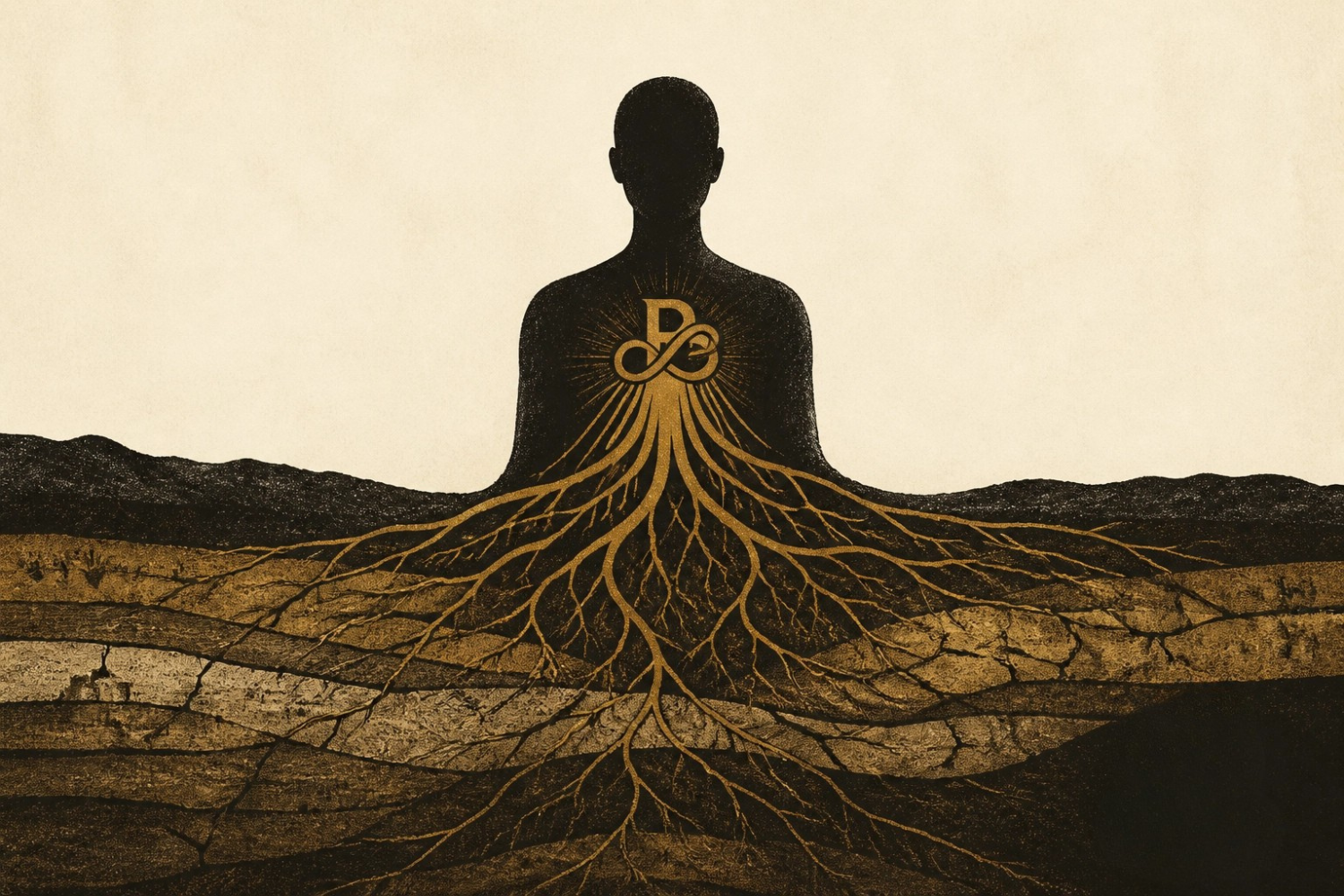
The Standards require practitioners to distinguish pathology from adaptive self-structures formed in response to relational and environmental demands — and to refuse narratives that hand responsibility for healing to individuals while collective accountability is absent.
The first clinical obligation is not to name what is wrong with the person. It is to understand what the person has had to survive.
Healing is not a private event. It is a return to right relationship.
Western therapy privatizes healing: one clinician, one client, technique applied to symptom. Ubuntu understands healing as communal restoration — right relationship with self, community, ancestors, land, and the more-than-human world. Symptom relief at the surface cannot reach a wound the room cannot see.
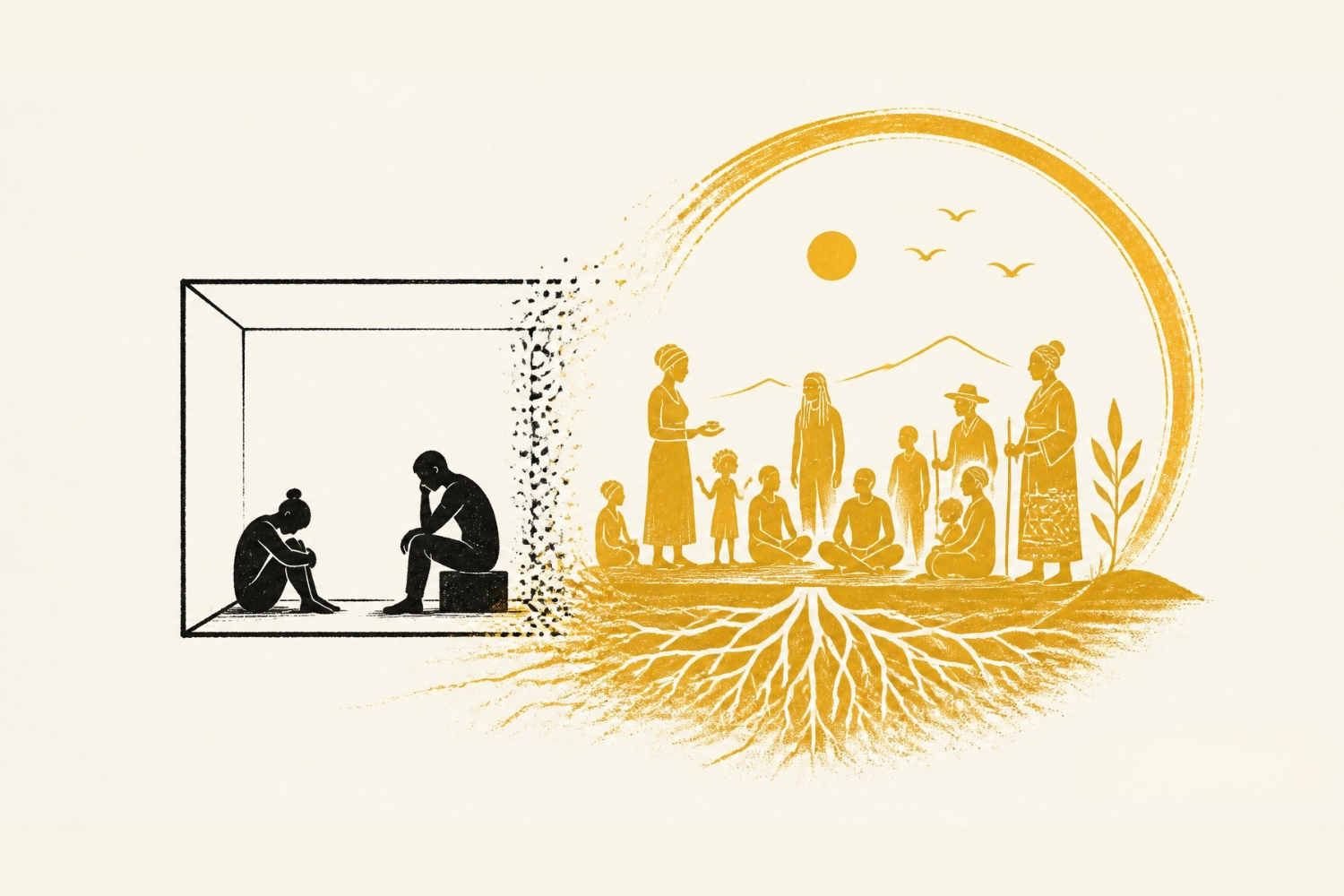
Healing is held as circles within circles — individual regulation moving outward into family, community, culture, and society. Practitioners are required to work beyond the private encounter, into the systems where distress is shaped.
Each practitioner stands inside a generational continuum — carrying the work of those who came before, and shaping conditions for those yet to come.
The body is a network in the world. It carries eras.
Somatic approaches rightly relocate trauma in the body — but often still treat it as a single unit, one nervous system at a time. Ubuntu reads the body as a physical journal — communal, ecological, intergenerational. To read it as private is to read one line of a multi-generational text and mistake it for the whole.
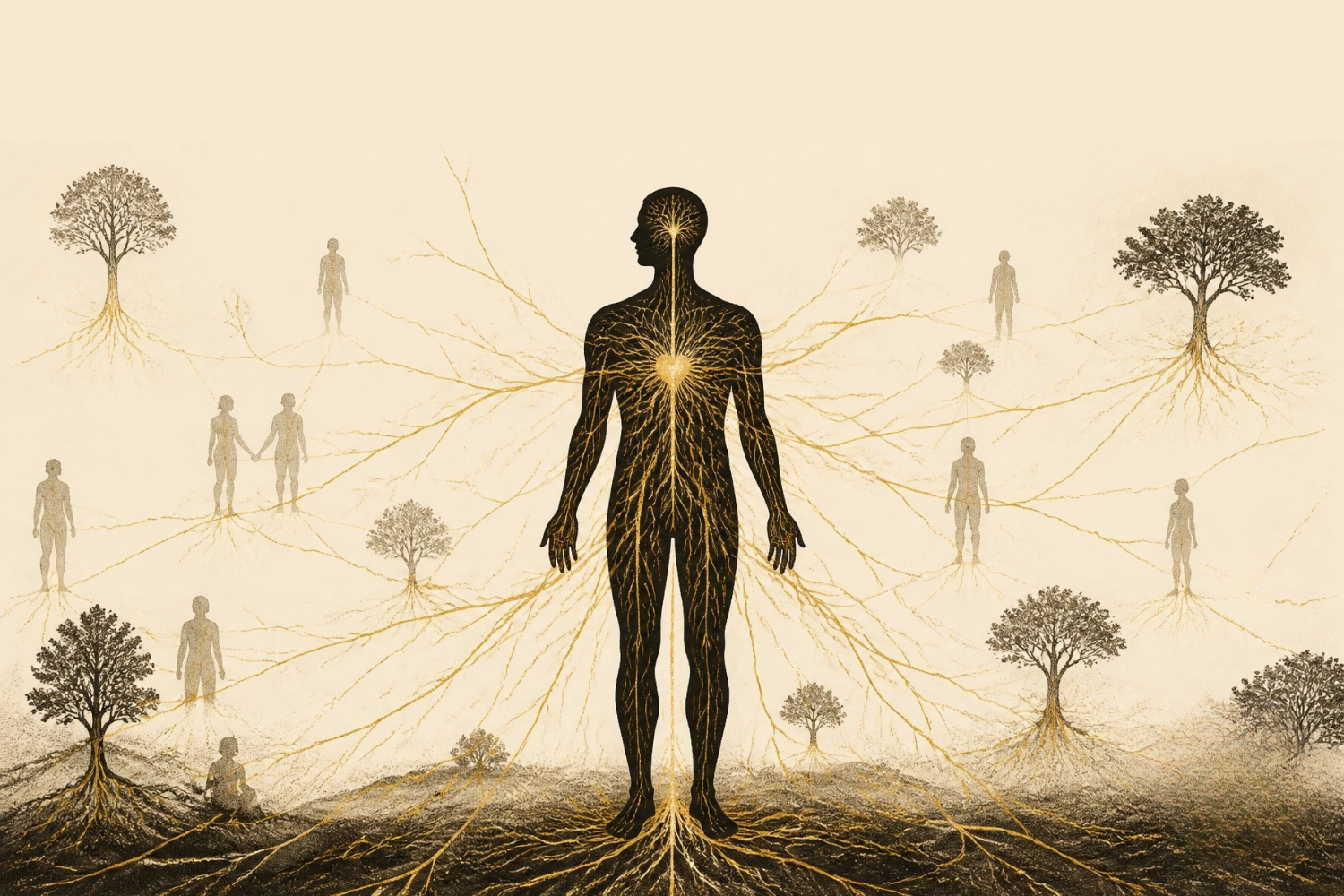
Nervous-system safety is named as shaped by social, cultural, institutional, and historical conditions — never reduced to individual deficit. Therapeutic safety is co-created between nervous systems, not declared by technique.
Practitioners are formed to honour the histories the body carries into the room — not to regulate them out of sight.
Ancestors and descendants are in the room. Time is not a container for symptoms.
Western assessment runs in the present tense of a single biography — onset, duration, treatment plan. What surfaces in the hour is the latest chapter of a long somatic inheritance. Ubuntu time is non-linear: a field of belonging and repair, not a measurement of how long something has hurt.
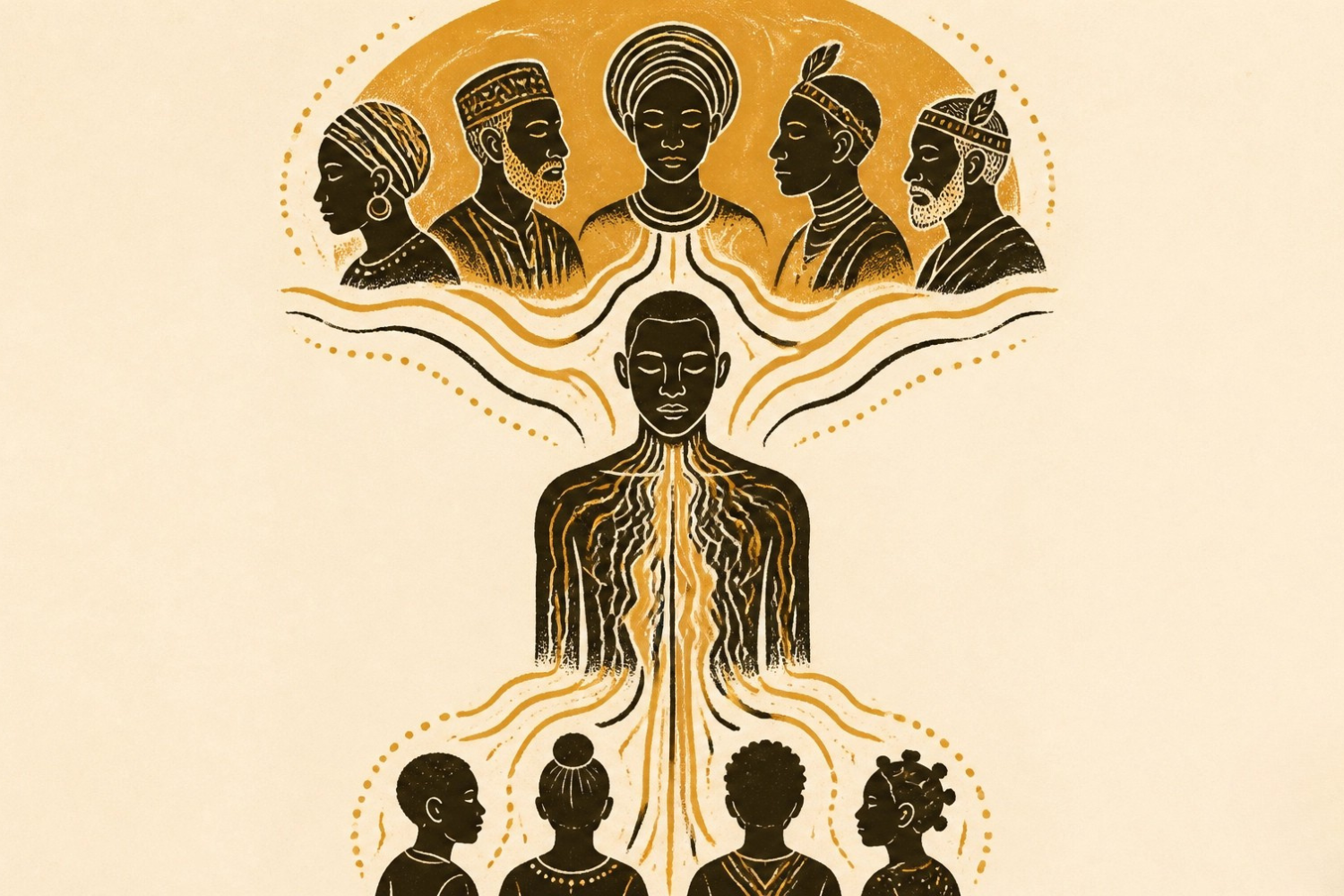
Attachment is held as shaped by ancestral, intergenerational, cultural, and environmental conditions — not only by early caregiving. Truth is understood as revealed over time, not extracted in a single encounter.
The deeper question the practitioner is formed to carry: what has been carried into this room from before — and what might be healed here for those who come after?
Neutrality is a position. Ubuntu calls it by its name.
Western assessment claims the clinician as objective observer. Ubuntu refuses the epistemic hierarchy this rests on. Community knowledge, ancestral wisdom, embodied experience, and oral tradition are legitimate sources of understanding — not supplementary to the categorical system.
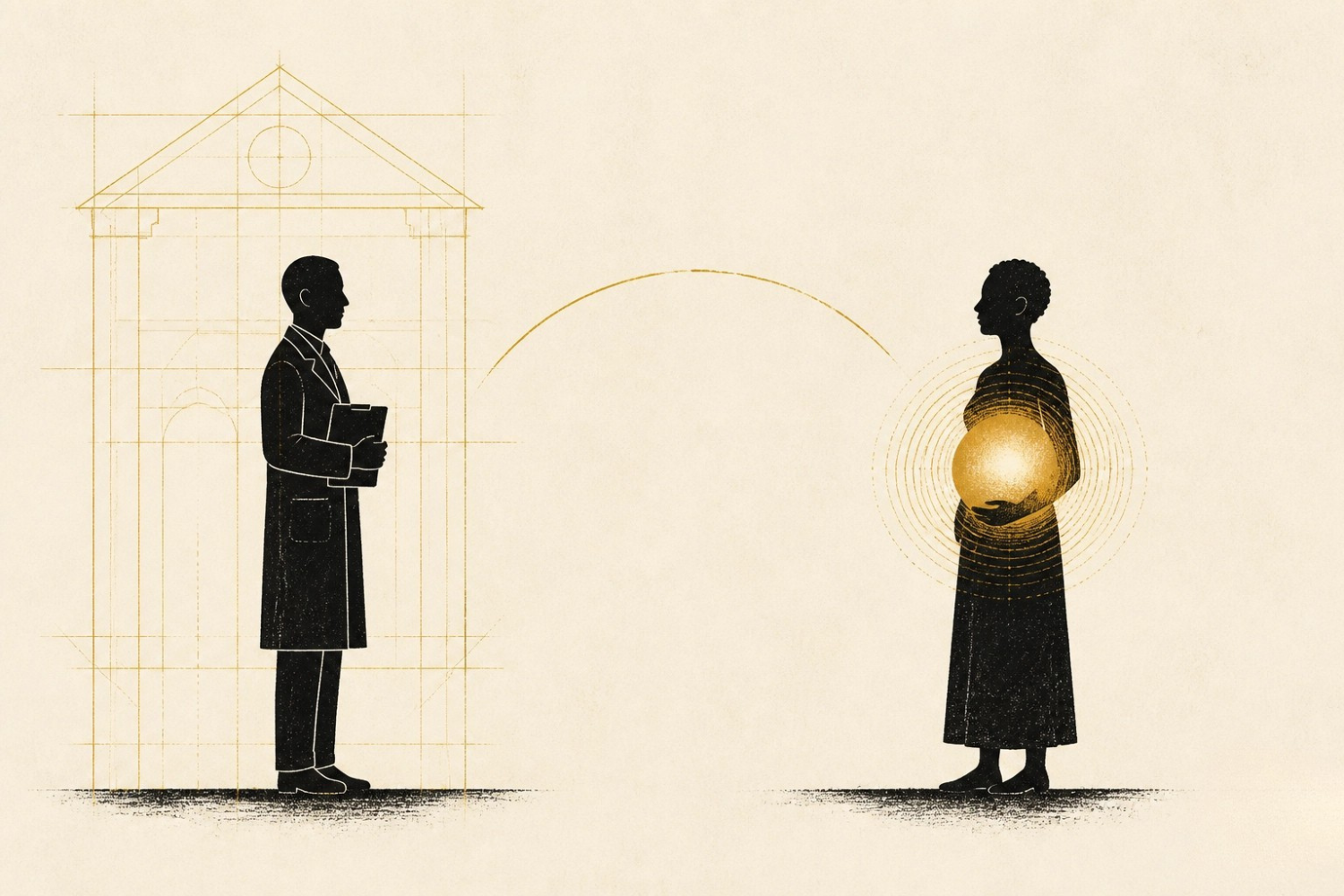
The practitioner is required to refuse therapeutic hierarchies that position them as superior knower — and to name how colonial histories shape assessment, language, and care pathways.
Cultural, Indigenous, ancestral, embodied, and narrative knowledge sit alongside, not beneath, empirical evidence. Power is examined, named, and shared in every encounter.
Sources: Battle (1997); Bennett (2011); DeGruy (2017); Menakem (2017); Mullan (2023); Ngomane (2020); Taiwo (2022).
How to use this page — pick the door that fits.
Read The Nurse Psychotherapist Role to see how the role lives across Canada. Then walk the eleven domains. You will likely recognize work you are already doing — named, structured, and protected.
Open the Role tab 02 · ProcurerOpen Purpose & Development to see why this standard was built and what it answers. Then review the Contributing Frameworks — the decolonial, somatic, and Ubuntu-informed scholarship the work draws on.
Open Purpose & Development 03 · EducatorThe eleven domains are written as Standard · Indicators · Scope Clarifications — ready to map into course outcomes. The Contributing Frameworks tab doubles as a curated decolonizing and somatic reading list.
Open The Standard & Domains 04 · ProgramThe FAQ answers role, title, and scope questions directly. The Purpose & Development tab explains what this standard adds to the conversation about safety, equity, and the future of psychotherapeutic nursing.
Open the FAQContinue below
The full standard, the eleven domains, and the contributing frameworks — all in one place.
Click on a subdomain to explore its components
Indicators are supported by scope clarifications and practice components.
