Our Courses & Instructors

A choice—based learning pathway

The RN–Psychotherapist pathway is designed as a progressive learning arc with three distinct phases.

Together, these phases prepare nurses to engage in psychotherapeutic practice with clarity, clinical skill, and ethical accountability.

Phase I: Orientation and Awareness

Phase I is designed to supports nurses in developing shared language, reflective capacity, and awareness of how therapeutic presence already lives within their nursing practice.

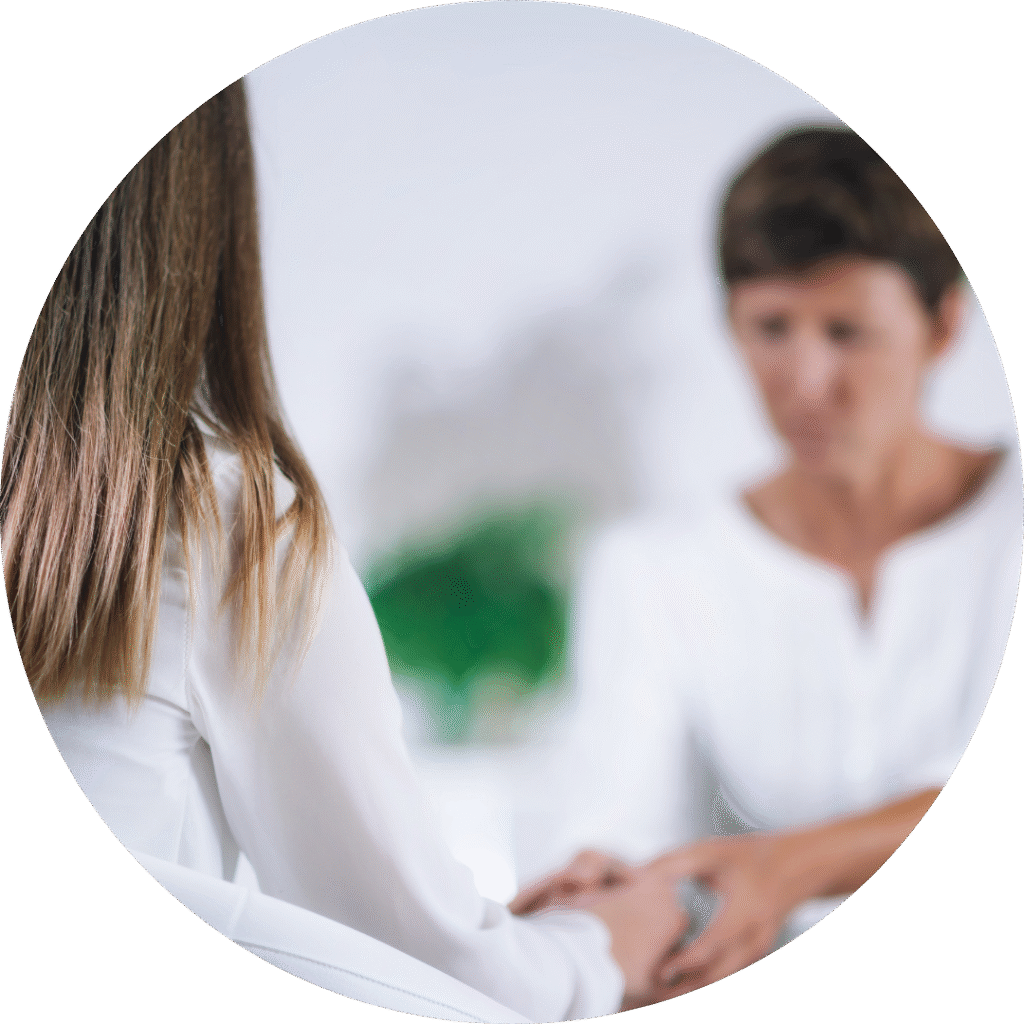
Nurse in a therapeutic conversation

Becoming 101

Nurse to Psychotherapist: Foundations of Advanced Nursing Practice in Psychotherapy

Duration: 4 weeks
Format: Self-paced

This introductory course supports nurses who are curious about psychotherapeutic nursing and want a grounded, accessible entry point. It introduces core concepts, language, and reflective practices that help nurses understand how therapeutic presence, trauma awareness, and relational work already show up in their practice. Many nurses complete Becoming 101 as a standalone experience.

Warm, reflective learning environment

Becoming 103

I Am “Healed,” I Am: The Self-Healing and Becoming Method® Journey

Duration: 12 weeks
Format: Weekly Live Online Teaching

Becoming 103 invites nurses into a deeper exploration of their own healing journey as a foundation for ethical, grounded psychotherapeutic practice. Building on the awareness established in Becoming 101, this course introduces structured self-inquiry, reflective processes, and embodied awareness that support integration of 12 psychotherapeutictechniques.

Participants engage with the Becoming Method® as a personal and professional framework—learning how truth-telling, emotional regulation, and conscious reflection shape therapeutic presence. Becoming 103 may be taken as a standalone course or as part of the broader RN–Psychotherapist pathway.

What Nurses Say After Completing Phase I

Phase II: Clinical Skill Development and Ethics

EMBODIED, HOLISTIC, AND COMMUNITY-ROOTED CLINICAL FORMATION

Phase II is designed for nurses who are ready to move beyond awareness and into applied psychotherapeutic practice. This phase focuses on developing the clinical skills, therapeutic frameworks, and ethical discernment required to work safely, effectively, and responsibly with trauma-impacted individuals.

Through structured learning, supervised skill development, and reflective integration, nurses strengthen their capacity to assess, intervene, and hold therapeutic space within regulated care environments.

Authentic therapeutic communication and relational presence

Becoming 301

Authentic & Intuitive Communication for Trauma Recovery Specialists

Duration: 16 weeks
Format: Live Online Teaching

Becoming 301 strengthens the relational and communication capacities required for safe, effective trauma-informed practice. Nurses develop therapeutic presence, attunement, and reflective discipline—learning how to engage clients with clarity, emotional steadiness, and ethical intention within therapeutic encounters.

The course supports the translation of everyday nursing interactions into conscious, structured psychotherapeutic engagement. Emphasis is placed on listening, pacing, and relational safety, helping nurses recognize how communication itself functions as a primary therapeutic intervention.

Trauma-informed assessment and therapeutic frameworks in practice

Becoming 302

Trauma Practice Models & Holistic Therapeutic Assessments in Practice

Duration: 16 weeks
Format: Live Online Teaching

Becoming 302 develops nurses’ capacity to assess trauma-related presentations using structured, trauma-informed practice models and holistic assessment frameworks. The course supports clinical reasoning across cognitive, emotional, physiological, relational, and contextual dimensions of care.

Nurses learn to move beyond symptom-focused responses toward integrative assessment practices that inform ethical, appropriate therapeutic intervention. Emphasis is placed on clinical judgment, scope awareness, and applying models responsibly within regulated nursing and psychotherapeutic practice environments.

Ethics, accountability, and professional responsibility in psychotherapeutic practice

Becoming 303

Ethics, Accountability, and the Future of Psychotherapeutic Practice

Duration: 16 weeks
Format: Live Online Teaching

Becoming 303 prepares nurses to practise with ethical clarity, professional accountability, and scope-aware decision-making within regulated care environments. The course examines boundaries, consent, documentation, confidentiality, and responsibility for therapeutic impact—strengthening the disciplined use of self that psychotherapeutic practice requires.

Nurses are supported to think critically about emerging roles, evolving systems, and the future of psychotherapeutic nursing practice—grounding innovation in ethics, supervision, and public protection. Emphasis is placed on discernment: knowing when to engage, how to proceed safely, and when to refer or pause.

Phase III: Supervised Clinical Practice

Integrating psychotherapeutic skill into accountable, supervised clinical practice.

Phase III marks the transition from learning into applied practice. Nurses engage in supervised clinical work, ethical decision-making, and reflective integration within structured and regulated practice environments.

Becoming 304
1000-Hour Psychotherapeutic Practicum

Duration: 16 weeks

Format: Weekly clinical practice & supervision

Schedule: Friday Zoom Class

Becoming 304 is the supervised clinical practicum that supports nurses in translating psychotherapeutic training into accountable practice. Participants complete structured clinical hours while strengthening therapeutic presence, clinical judgment, documentation discipline, and scope awareness within regulated care environments.

This practicum is organized around weekly supervision and a required Friday class, creating a consistent rhythm for case consultation, reflective integration, and ethical decision-making. Emphasis is placed on safe engagement, readiness, and professional responsibility for therapeutic outcomes.

Course Highlights

Phase III is intended for nurses who are ready to integrate psychotherapeutic skill into supervised clinical practice, with accountability to clients, supervisors, and professional standards.

Faculty & Instructional Leadership

Becoming Institute instructors are selected for their depth of clinical practice, systems leadership, and commitment to trauma-informed, ethically grounded education. Faculty teach from lived expertise—bridging practice, regulation, and real-world application.

Faculty Directory

Sophia Ali, MBA, BSW, RSW | Faculty | Focus: Leadership & Trauma-Informed Systems Design

Sophia Ali, MBA, BSW, RSW

Sophia Ali, MBA, BSW, RSW
Faculty, Becoming Institute | Executive Director, Manitoba Alliance of Health Regulatory Colleges
Specialization: Equity-Informed Leadership, Trauma-Informed Systems Design

“Teaching, for me, is about helping practitioners trust their voice and lead with equity, clarity, and care.”

Sophia brings a rare blend of clinical depth, regulatory leadership, and systems-level insight—helping nurses understand that trauma-informed practice lives not only in the therapy room, but within ethical governance, equity-centred systems, and public accountability.

Dr. Afsheen Anwar, Ph.D., C.Psych

Dr. Afsheen Anwar, Ph.D., C.Psych
Faculty, Becoming Institute | Clinical & Counselling Psychologist
Specialization: Cognitive Behavioural Therapy, Faith-Informed Practice, Relational & Systemic Therapy

“Teaching, for me, is about honouring the whole person—mind, culture, faith, and relationships—while helping practitioners develop skill, confidence, and compassion in their clinical work.”

Afsheen brings deep clinical wisdom and a multicultural, faith-informed lens to psychotherapy, supporting nurses to practice with evidence-based rigor while remaining attuned to culture, meaning, and human connection.

Jenn Cardoso, M.A., RP

Jenn Cardoso, M.A., RP
Faculty, Becoming Institute | Somatic Coach & Registered Psychotherapist
Specialization: Relational Psychotherapy, Somatic Healing, Trauma-Responsive Care

“Teaching, for me, is about helping practitioners listen to the body, trust presence, and remember that healing happens through relationship.”

Jenn brings an embodied, relational approach to psychotherapy, supporting nurses to develop somatic awareness, therapeutic presence, and trauma-responsive care that honours connection, integrity, and the lived experience of the whole person.

Jacklyn Chung, M.Ed., RP, CCC

Jacklyn Chung, M.Ed., RP, CCC
Faculty, Becoming Institute | Founder, Karkiu Psychotherapy and Counselling
Specialization: Culturally Sensitive Psychotherapy, Trauma-Informed Care, Feminist & Relational Practice

“Teaching, for me, is about creating spaces where practitioners can show up fully—curious, grounded, and courageous in how they hold themselves and others.”

Jacklyn brings a culturally sensitive, relational, and trauma-informed lens to psychotherapy, supporting nurses to practice with humility, authenticity, and a deep respect for identity, lived experience, and collective healing.

Jamieson Eakin, MACP, BFA, RP

Jamieson Eakin, MACP, BFA, RP
Faculty, Becoming Institute | Registered Psychotherapist
Specialization: LGBTQ+ Mental Health, Narrative Therapy, Somatic & Creative Approaches

“Teaching, for me, is about helping practitioners make meaning—honouring identity, creativity, and lived experience as powerful pathways to healing.”

Jamieson brings an affirming, narrative, and somatic approach to psychotherapy, supporting nurses to practice with cultural humility, clinical intuition, and respect for diverse identities, bodies, and ways of knowing.

Chantal Gray, MSW, RSW

Chantal Gray, MSW, RSW
Faculty, Becoming Institute | Co-Founder & Clinical Director, Winrose Oasis Counselling Services
Specialization: Trauma-Informed Practice, Child & Family Therapy, Cultural Healing & Intergenerational Care

“Teaching, for me, is about nurturing the strengths already present in practitioners and helping them offer care that is compassionate, culturally grounded, and responsive across generations.”

Chantal brings a trauma-informed, family-centred, and culturally rooted approach to psychotherapy, supporting nurses to practice with empathy, advocacy, and deep respect for individual and intergenerational healing.

Dr. Joan Samuels-Dennis RN, Ph.d

Dr. Joan Samuels-Dennis, Ph.D., RN
Founder, The Becoming Institute | Creator of The Becoming Method®
Specialization: Trauma Recovery, Epigenetics, Systems Change, and Holistic Mental Health

“I bring curiosity to the teaching of psychotherapy and a love of integration and pattern-recognition. One of the great privileges of teaching has been guiding learners through the evolution of what began as New Decision Therapy into the Becoming Method, and witnessing others carry this work forward in their own practice.”

Joan brings a nursing-led, integrative approach to psychotherapeutic education, supporting nurses to develop clinical depth, reflective capacity, and the confidence to practice ethically, relationally, and systemically.

Ruth Bingham, MSW, RSW

Ruth Bingham, MSW, RSW, Ph.D (c)
Faculty, Becoming Institute | Co-Founder, Winrose Oasis Counselling Services
Specialization: Intergenerational Trauma, Faith-Integrated Healing, Women’s Emotional Wellness

“Teaching, for me, is about holding space for healing that honours faith, story, and the strength carried across generations.”

Ruth brings an intergenerational, spiritually grounded approach to psychotherapy, supporting nurses to practice with compassion, cultural responsiveness, and deep respect for meaning, dignity, and emotional wellness.

Cassandra Francis, MCP, RP

Cassandra Francis, MCP, RP
Faculty, Becoming Institute | Founder, One Peace Therapy:
Holistic, Trauma-Informed & Culturally Responsive Psychotherapy

“Teaching, for me, is about helping practitioners see the whole person—mind, body, culture, and story—and trust that healing happens when care is truly integrated.”

Cassandra brings a holistic, trauma-informed, and anti-oppressive lens to psychotherapy, supporting nurses to practice with cultural humility, embodied awareness, and deep respect for the connection between mental, physical, and relational wellbeing.